
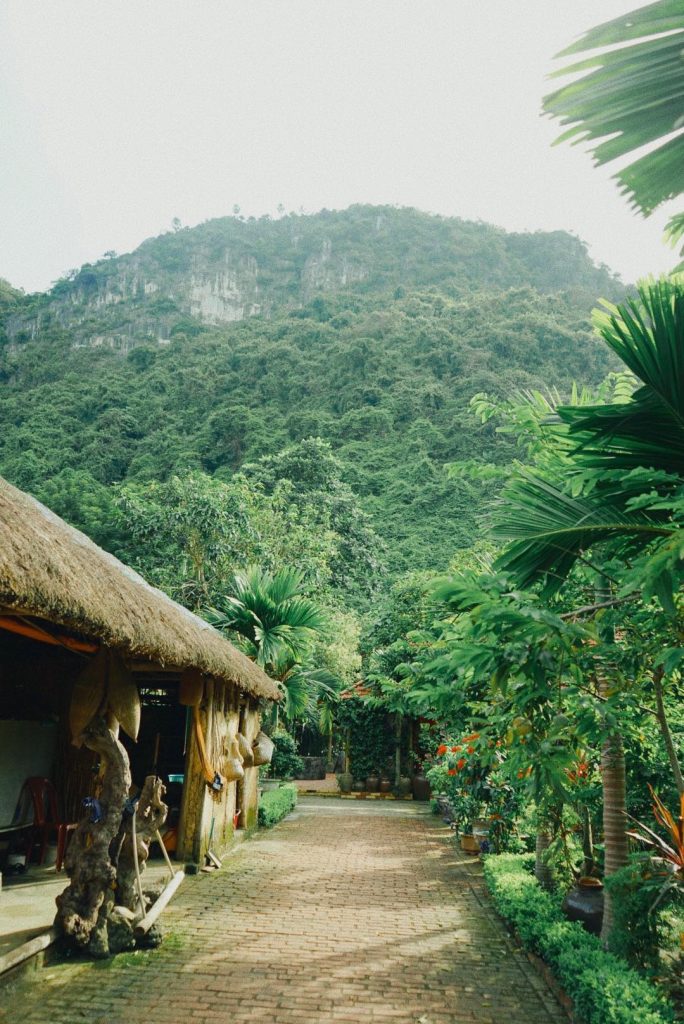
Slow travel in Vietnam means fewer places and longer stays — three nights in one village instead of five cities in two weeks — and in 2026 it is the direction both travellers and Vietnam’s own tourism strategy are moving. Something has changed in the messages we receive. Five years ago people asked how quickly they could see Cat Ba before moving on to the next place. Now they ask whether three nights is long enough to feel like they have actually been somewhere. That shift has a name, and in 2026 it is the dominant trend in Vietnamese tourism.
| The village | A farming valley inside Cat Ba National Park; 87 households, about 295 people; recognised as Hai Phong’s 13th community tourism site in June 2025 |
| Why it is quiet | No road links the valley to the rest of the island, so there is no through traffic; day boats leave by late afternoon |
| How long to stay | Two nights minimum; three lets the third morning happen |
| Days | A full day on Lan Ha Bay, a trek or the Navy Peak climb, the valley by bicycle, an evening on the water |
| Getting here | Hanoi to Cat Ba 3–3.5 hours by bus, then a 15-minute speedboat from Ben Beo and a 10-minute cart |
| Trade-offs | No shops, no ATM, no nightlife, one kitchen, a communal dinner |
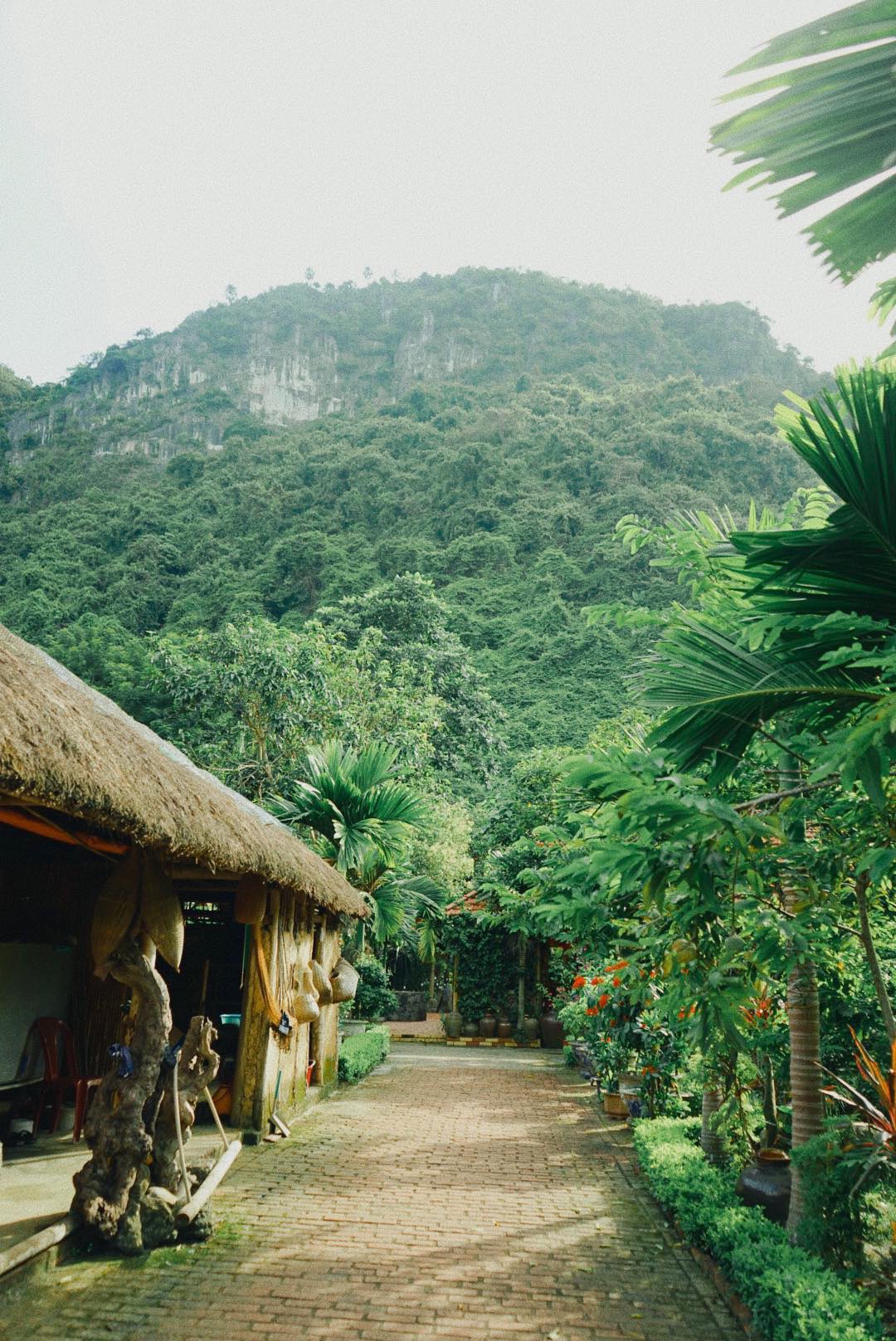
What does slow travel actually mean?
Not lying in a hammock for a week. The definition that fits what we see is travelling less but experiencing more: extended stays in fewer places, community-based accommodation, local food, walking and cycling instead of transfers, and time built into the day for nothing in particular.
Vietnam’s tourism strategy has moved decisively this way in 2026 — toward homestays, farm stays, community tourism, trekking and rail journeys rather than coach circuits. And travellers are moving faster than the strategy: searches for accommodation in secondary destinations across Asia are growing more than 15% faster than for the traditional hubs.
Why doesn’t a five-city Vietnam itinerary work?
The classic two-week Vietnam itinerary — Hanoi, Ha Long, Hue, Hoi An, Ho Chi Minh City — contains roughly four travel days. Add airport time, check-ins and the half-day it takes to work out where to eat in a new town, and a large share of a hard-earned holiday is spent in transit or in orientation.
The people who write to us afterwards almost never say the highlight was a famous sight. They say it was an afternoon that was not on the plan.
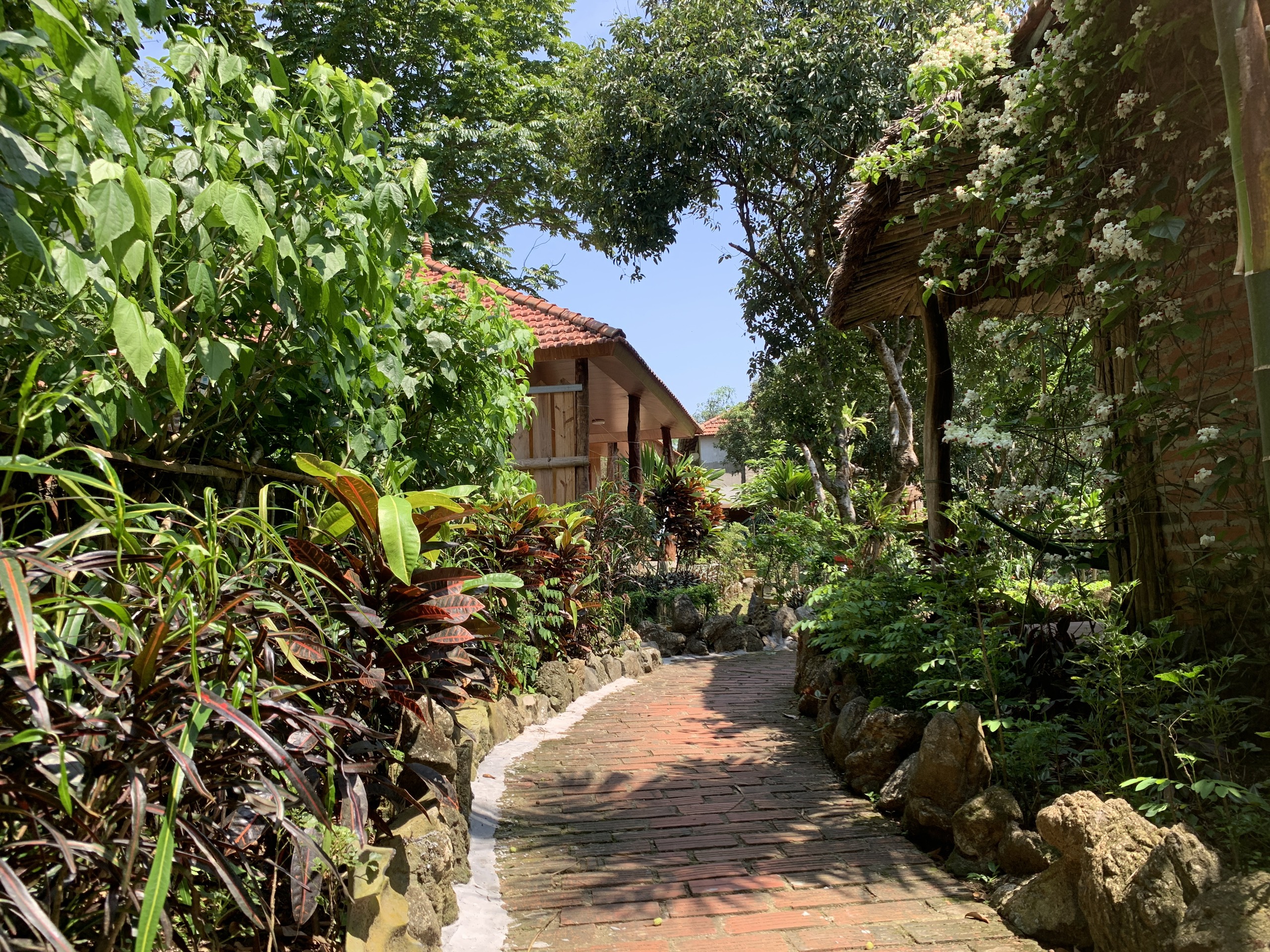
Why are travellers avoiding crowded places in Vietnam?
The other half of the 2026 picture is deliberate avoidance of crowded attractions. Secondary cities, rural areas and islands are seeing surges in interest, in some cases overtaking the famous hubs. Travellers are choosing the quieter version of the same landscape on purpose.
Cat Ba is a clear example. Lan Ha Bay is geologically the same UNESCO archipelago as Ha Long Bay — the same karsts, the same emerald water — with a fraction of the boats and, for most day trips, a good deal less to pay. The main practical difference is how many other people are in your photograph.
What do three nights in one Vietnamese village look like?
- Day 1: arrive by boat in the afternoon. Cycle the valley before dinner. Eat with everyone at the long table and go to bed early, because there is nothing else to do and that turns out to be the point.
- Day 2: a full day on the water — boat, swimming, kayaking into a lagoon. Back by late afternoon. Cold shower, cold beer.
- Day 3: trek in the national park in the morning, then nothing. Read. Watch the buffalo. Take the bicycle out again at five when the light goes gold.
- Day 4: boat back, carrying a very different memory of Vietnam than the coach-tour version.

| Day | Morning | Afternoon and evening |
|---|---|---|
| Day 1 | Travel from Hanoi, ferry and boat | Arrive by boat, cycle the valley, eat at the long table, early night |
| Day 2 | A full day on the water — boat, swimming, kayaking into a lagoon | Back by late afternoon. Cold shower, cold beer |
| Day 3 | Trek in Cat Ba National Park | Nothing planned. Read, watch the buffalo, ride out again at five when the light turns gold |
| Day 4 | Boat back to Ben Beo | Onward travel |
Our 3-day cruise and homestay (3 days, 2 nights) is the plan above with the pieces joined: a night on a small boat in Lan Ha Bay with a cooking class, a night in the village, and the Navy Peak hike (259 m, about 3 hours return). With two nights, the 2 Days in Viet Hai trip from Hanoi does the bay day and the village. Rates move with the season and group size — ask us for the current one.
Why do village homestays suit slow travel better than hotels?
A hotel is designed so you need nothing from anyone. That is efficient, and it is also why hotel stays are forgettable. A family homestay works the opposite way: you eat what the family eats, at the time they eat it, at a table with strangers who stop being strangers.
The economics matter too. Money spent in a village homestay stays in the village — the fish came off a neighbour’s boat, the vegetables from the garden behind the kitchen. This is what community-based tourism means in practice, and it is why Vietnam is actively promoting it.
What are the trade-offs of slow travel in Vietnam?
Slow travel is not for everyone, and a village is not a resort. Here is what you give up:
- Convenience. Getting to Viet Hai needs a scheduled boat, not a taxi.
- Choice. One kitchen, not twenty restaurants.
- Shops. There are none. Bring what you need.
- Nightlife. The valley is asleep by ten.
- Privacy at dinner. The family dinner is communal by design.
If any of those are dealbreakers, stay in Cat Ba town — genuinely, it will be a better trip for you. If reading that list made you relax slightly, you already know where you should be.

Frequently asked questions about slow travel in Vietnam
Answered by the Lan family in Viet Hai — the people who run the boats, cook the dinner and pick you up at the pier.
What does slow travel in Vietnam actually mean?
Fewer places, longer stays: two or three nights in one village or town instead of a new city every second day, community-run accommodation, local food, walking and cycling rather than transfers, and time in the day for nothing in particular. It is a way of travelling, not an activity, and it suits Vietnam’s villages better than its coach circuits.
How many nights should I stay in Viet Hai?
Two at minimum, three if you can. Day one is the bay and the valley by bicycle; day two a trek or the Navy Peak climb; day three is when the place stops being a destination — you know where the buffalo will be at five o’clock. One night works, but you leave just as the village starts to make sense.
Is Viet Hai a good base for slow travel?
Yes, for the plain reason that nothing passes through it. No road links the valley to the rest of Cat Ba, the day boats leave by late afternoon, dinner is one long table, and the loudest thing at night is a frog. It is a farming valley of 87 households, recognised as a community tourism site in June 2025, not a resort.
What are the downsides of staying in a village?
No shops, no ATM, no nightlife, one kitchen instead of twenty restaurants, a communal dinner, and a boat rather than a taxi to get here. If any of those is a dealbreaker, Cat Ba town is the better trip for you; if the list made you relax, you already know where you should be.
How do I get to Viet Hai from Hanoi?
Bus or limousine to Cat Ba, 3 to 3.5 hours via Dong Bai pier, then a speedboat from Ben Beo harbour of about 15 minutes across Lan Ha Bay and a 10-minute electric cart from the pier. Most guests make the crossing on the full-day boat tour instead, so the journey is the first day of the holiday.
Is slow travel more expensive?
Usually less. Fewer transfers and flights, village rooms rather than city hotels, one boat day rather than a cruise, and a bicycle for 30,000 VND a day. What you spend more of is time in one place — which is the point. Rates for rooms and tours move with the season, so ask us for current figures.
Thinking of staying longer in one place?
Tell us how many nights you have and what you would like the days to hold — bay, trails, nothing at all — and we will sketch a slow version of the trip with the current rates. WhatsApp +84 363 934 325 or send a message here — we answer in English, usually within the hour.
Read next
- Cat Ba itineraries for 2, 3 and 5 days
- One day in Viet Hai village, hour by hour
- Where to stay on Cat Ba: town or village
You may also like



Where to stay in Viet Hai
If this trip brings you into the village, the rooms and bungalows at Lan Homestay are a few minutes on foot from the centre: the garden bungalow (triple) works well for families, and the mountain-view double room for couples.
