
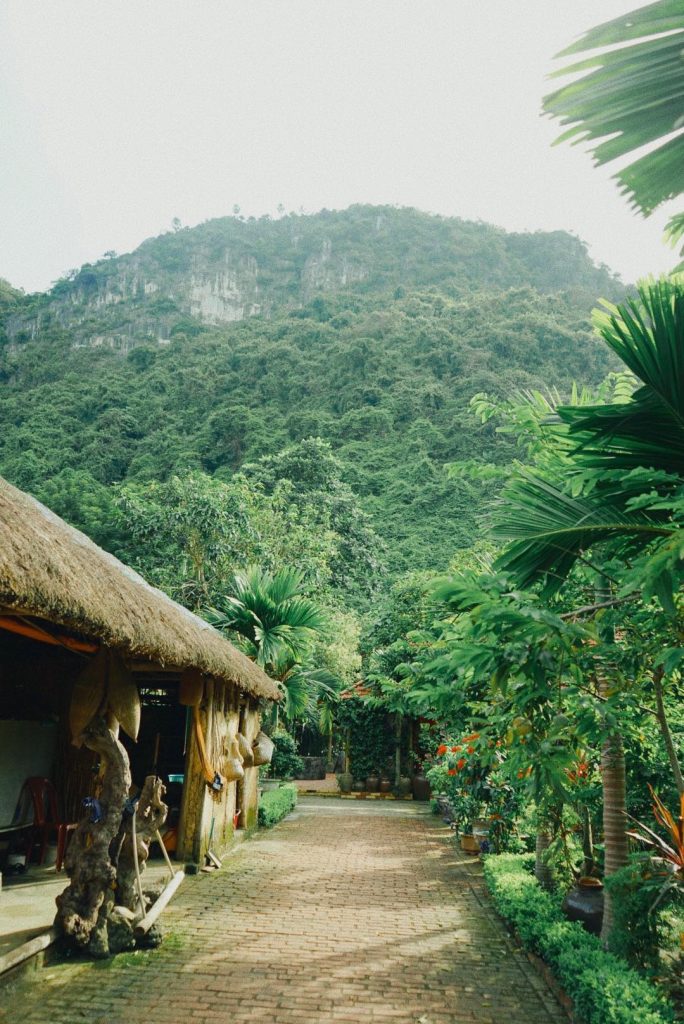
Something has changed in the messages we receive. Five years ago people asked how quickly they could see Cat Ba before moving on to the next place. Now they ask whether three nights is long enough to feel like they have actually been somewhere. That shift has a name, and in 2026 it is the dominant trend in Vietnamese tourism.
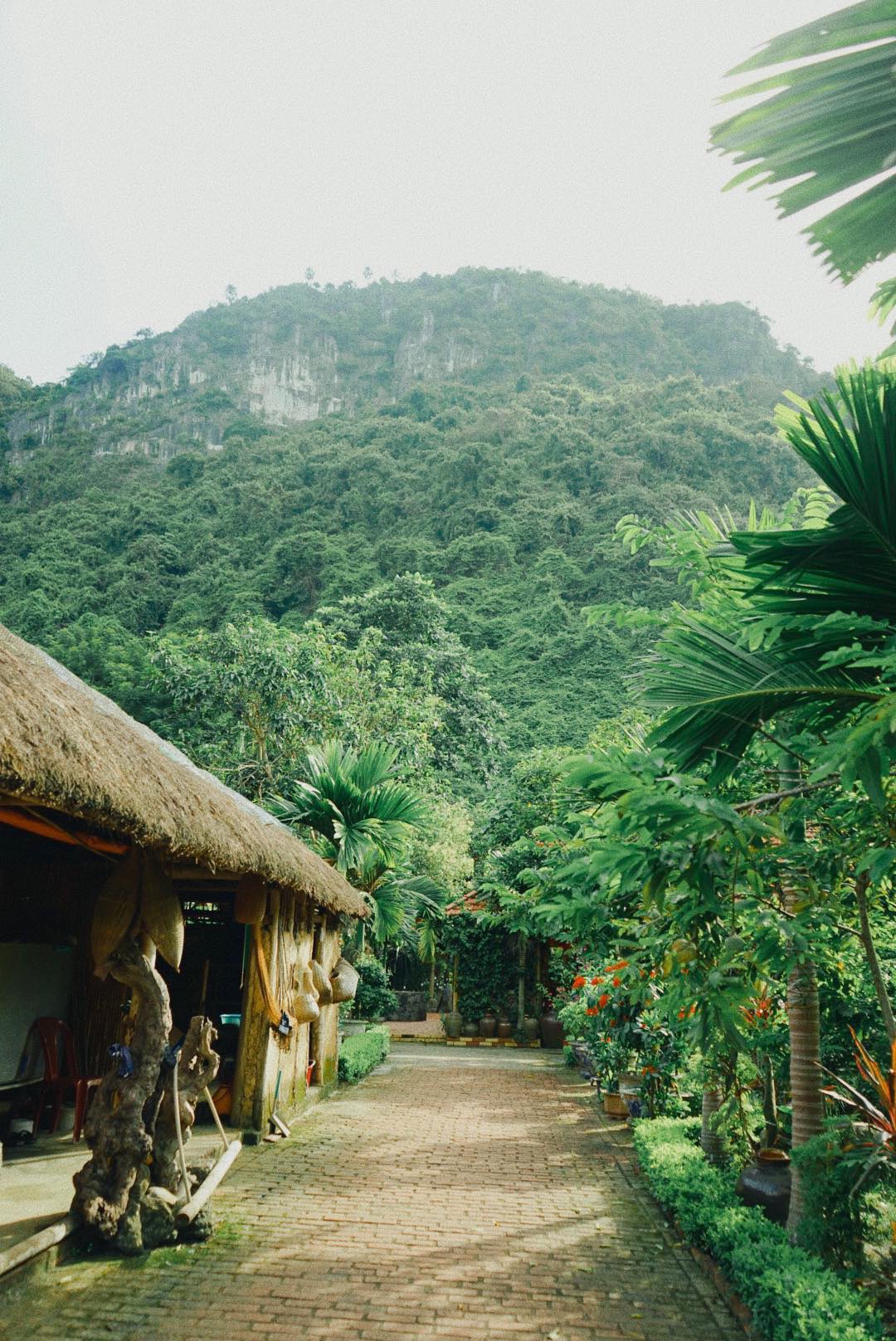
What slow travel actually means
Not lying in a hammock for a week. The definition that fits what we see is travelling less but experiencing more: extended stays in fewer places, community-based accommodation, local food, walking and cycling instead of transfers, and time built into the day for nothing in particular.
Vietnam’s tourism strategy has moved decisively this way in 2026 — toward homestays, farm stays, community tourism, trekking and rail journeys rather than coach circuits. And travellers are moving faster than the strategy: searches for accommodation in secondary destinations across Asia are growing more than 15% faster than for the traditional hubs.
The five-city problem
The classic two-week Vietnam itinerary — Hanoi, Ha Long, Hue, Hoi An, Ho Chi Minh City — contains roughly four travel days. Add airport time, check-ins and the half-day it takes to work out where to eat in a new town, and a large share of a hard-earned holiday is spent in transit or in orientation.
The people who write to us afterwards almost never say the highlight was a famous sight. They say it was an afternoon that was not on the plan.
Why the anti-crowd trend is reshaping where people go
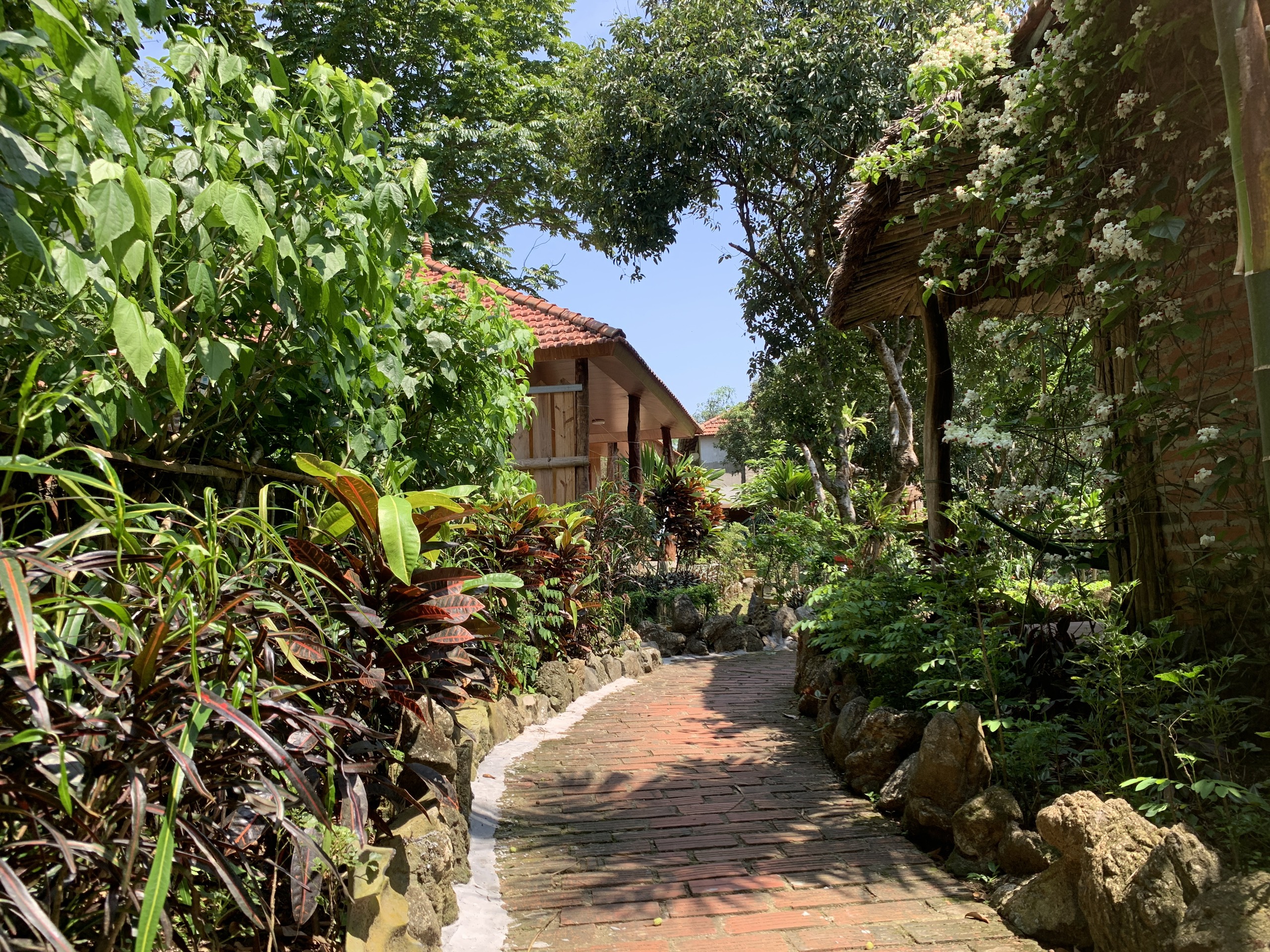
The other half of the 2026 picture is deliberate avoidance of crowded attractions. Secondary cities, rural areas and islands are seeing surges in interest, in some cases overtaking the famous hubs. Travellers are choosing the quieter version of the same landscape on purpose.
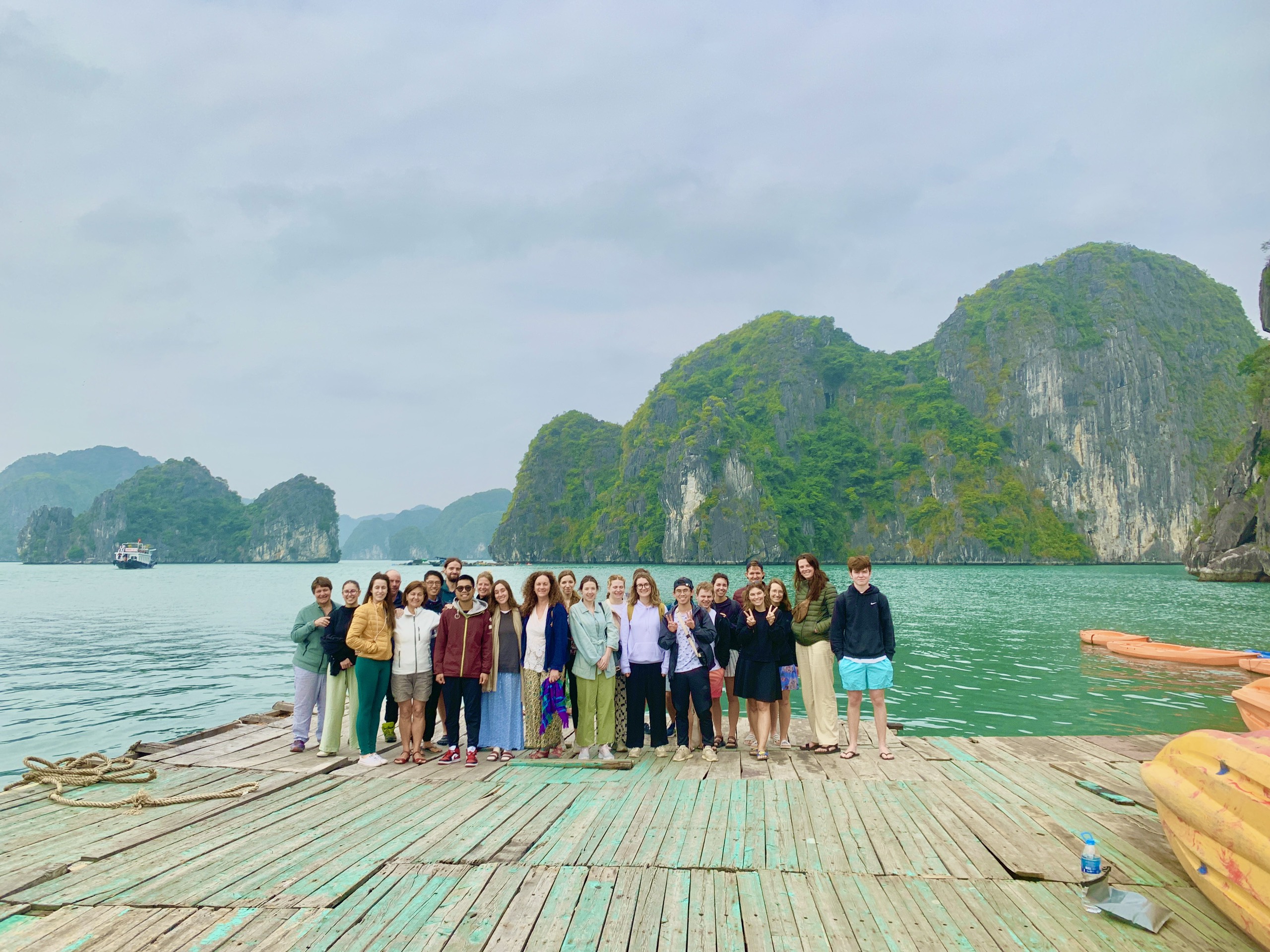
Cat Ba is a clear example. Lan Ha Bay is geologically the same UNESCO archipelago as Ha Long Bay — the same karsts, the same emerald water — with a fraction of the boats and roughly half the price. The main practical difference is how many other people are in your photograph.
What three nights in one village actually looks like
- Day 1: arrive by boat in the afternoon. Cycle the valley before dinner. Eat with everyone at the long table and go to bed early, because there is nothing else to do and that turns out to be the point.
- Day 2: a full day on the water — boat, swimming, kayaking into a lagoon. Back by late afternoon. Cold shower, cold beer.
- Day 3: trek in the national park in the morning, then nothing. Read. Watch the buffalo. Take the bicycle out again at five when the light goes gold.
- Day 4: boat back, carrying a very different memory of Vietnam than the coach-tour version.
Why village homestays fit this better than hotels
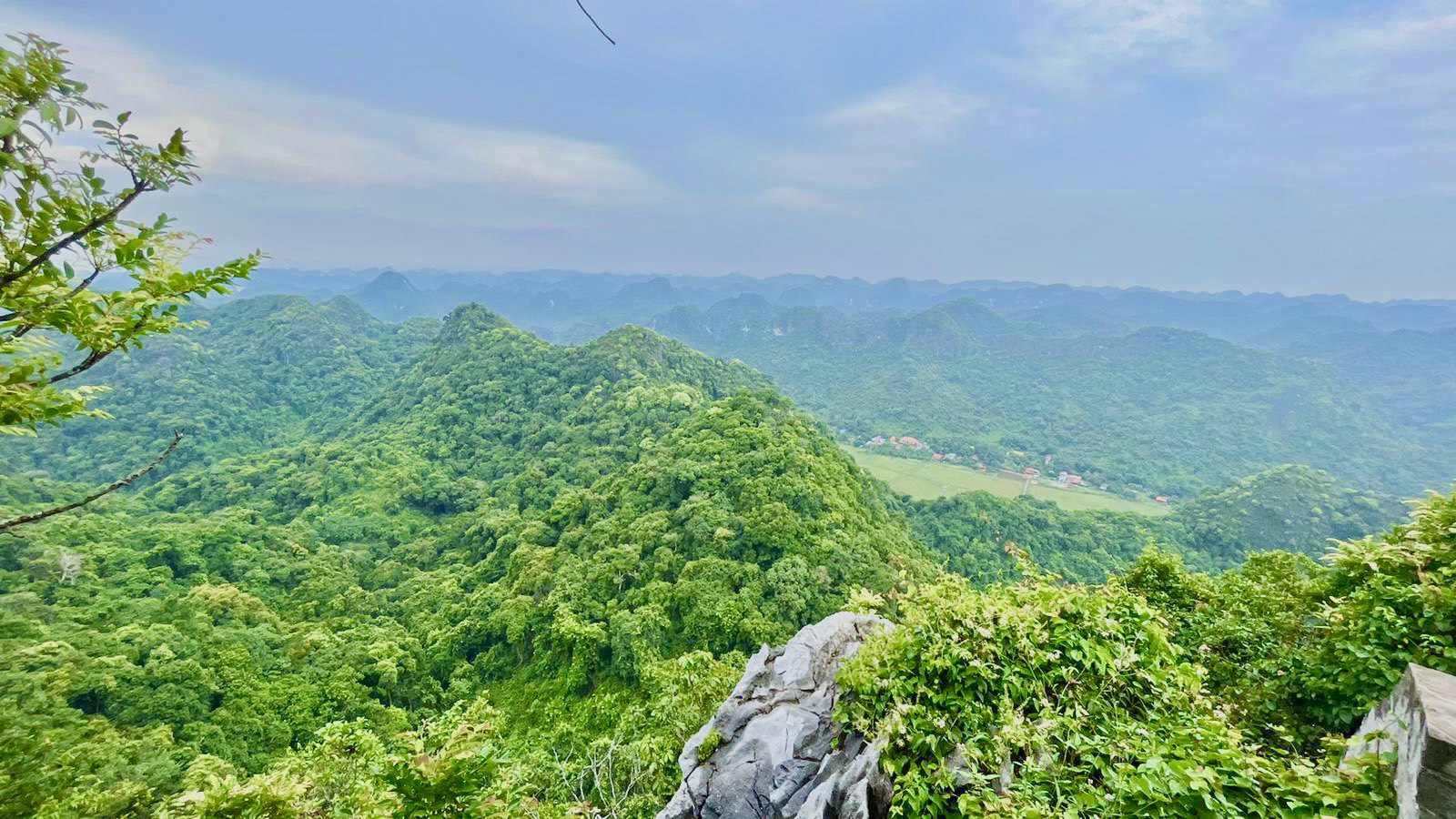
A hotel is designed so you need nothing from anyone. That is efficient, and it is also why hotel stays are forgettable. A family homestay works the opposite way: you eat what the family eats, at the time they eat it, at a table with strangers who stop being strangers.
The economics matter too. Money spent in a village homestay stays in the village — the fish came off a neighbour’s boat, the vegetables from the garden behind the kitchen. This is what community-based tourism means in practice, and it is why Vietnam is actively promoting it.
Being honest about the trade-offs
Slow travel is not for everyone, and a village is not a resort. Here is what you give up:
- Convenience. Getting to Viet Hai needs a scheduled boat, not a taxi.
- Choice. One kitchen, not twenty restaurants.
- Shops. There are none. Bring what you need.
- Nightlife. The valley is asleep by ten.
- Privacy at dinner. The family dinner is communal by design.
If any of those are dealbreakers, stay in Cat Ba town — genuinely, it will be a better trip for you. If reading that list made you relax slightly, you already know where you should be.
Staying with us in Viet Hai
Lan Homestay is a family-run guesthouse in Viet Hai village, inside Cat Ba National Park. We have thatched-roof garden bungalows and mountain-view rooms, all with private bathrooms, at a fair village rate — message us for the current one.
Bicycle hire is 30,000 VND per bike for the whole day (a little over one US dollar). No road links our valley to the rest of the island, so there is no through traffic — most guests only understand what that means once they are riding it.
Evenings here are a family dinner: one long table, everyone staying that night eating together — garden vegetables, island seafood, our own herbs. If you would rather eat on your own schedule, our quick-food menu is available all day with 20 minutes’ notice. For something special — seafood hotpot or a seafood BBQ — tell us one day in advance so we can buy fresh from the boats that morning.
We also arrange what is awkward to organise from abroad: boat transfers from Cat Ba town or Ben Beo pier, full-day Lan Ha Bay boat tours, kayaking, night kayaking to see bioluminescent plankton in the warm months, and guided treks in the national park.
Book or ask us anything:
Website: lanhomestay.com
WhatsApp: +84 363 934 325
Email: info@lanhomestay.com
Find us: Thon 2, Viet Hai Village, Cat Ba Island, Hai Phong, Vietnam
Keep reading
- Viet Hai Village: Vietnam’s Last Car-Free Village
- Where to Stay in Cat Ba Island: Why Viet Hai Village Beats Cat Ba Town
